
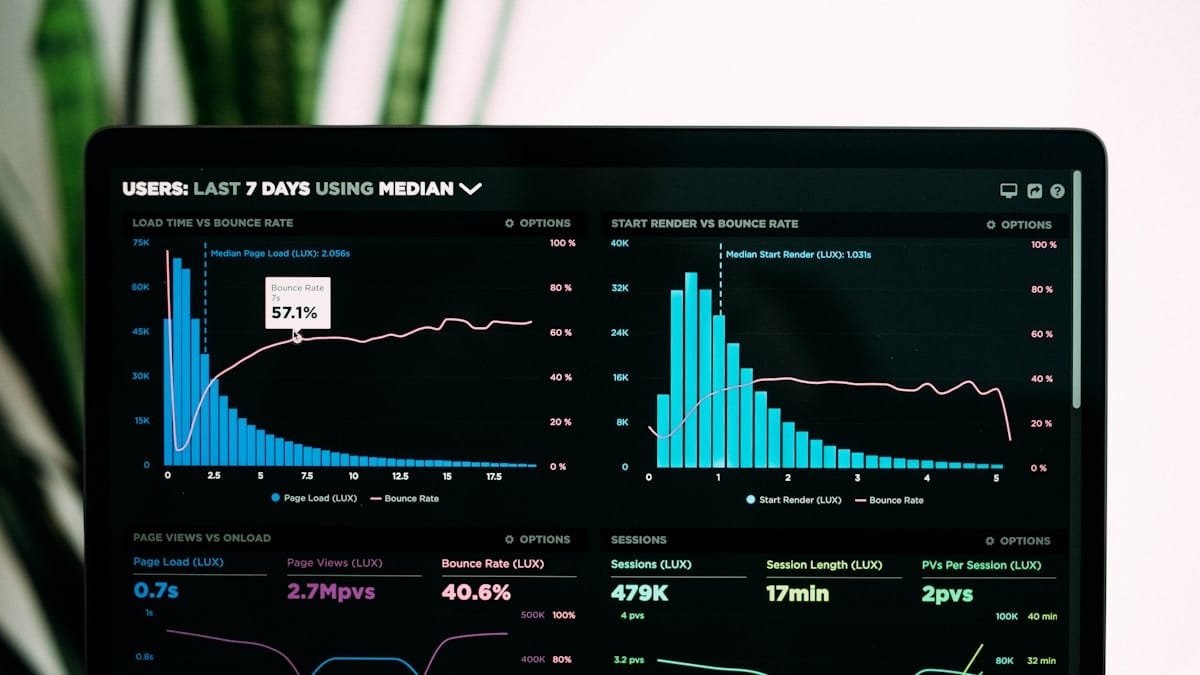
Google has completed the worldwide rollout of dedicated generative AI performance reports in Search Console, giving website owners a clearer view of where their pages appear in AI Overviews and AI Mode.
The reports were first announced in June and, according to Google, were rolled out to all websites worldwide by 31 August 2026. They sit alongside the standard Search Console performance reports rather than replacing them.
For businesses trying to understand whether their content is being surfaced inside Google’s AI-led search experiences, this is a useful change. Until now, visibility inside AI features was largely folded into broader Search performance data.
Google says the new report shows impressions from generative AI features in Search, including AI Overviews and AI Mode. Website owners can break that visibility down by page, country, device and date.
That means a business can now see which pages are appearing most often inside Google’s generative AI results and whether that visibility is increasing or declining over time.
There is still an important limitation. The dedicated generative AI report is focused on impressions. It does not provide the same query-level picture many site owners are used to in the standard Performance report, so it cannot yet tell a business exactly which searches triggered its appearance in AI features.
For small businesses, that distinction matters. A rise in AI impressions shows greater visibility, but it does not automatically mean more enquiries, calls or sales. The same caution applies to ordinary Search Console data, where impressions and clicks measure different things.
Google also says the report may not appear for every property immediately if the site has not generated enough impressions in generative AI features. Search Labs experiments are excluded from the report.
The rollout strengthens Google’s wider push to give publishers more transparency around AI-driven search. Earlier this year, Google also published guidance explaining that the same core SEO practices used for traditional Search remain relevant to AI features. We covered that in our earlier article on AI search visibility and traditional SEO.
For businesses in London and across the UK, the practical next step is not to rewrite every page for AI. It is to monitor which existing pages are earning generative AI impressions, compare that with ordinary Search performance, and check whether those pages actually support the services the business wants to sell.
That means looking at strong service pages, useful supporting content, clear internal linking, accurate business information and technically sound pages that Google can crawl and understand. Those remain part of the same foundations covered by our SEO services.
Google’s own Search Central announcement confirms the worldwide rollout, while its Search Console help documentation explains how the report groups impressions by page, country, device and date.
For publishers and business owners, the new report will not answer every question about AI search traffic. It does, however, make one thing easier: seeing whether Google is already using your pages inside its generative search experiences, and which parts of your site are earning that visibility.
How should you use AI reporting in Search Console?
New reports are most useful when you compare them with the rest of your search data. Do not judge performance from one number alone.
Look for patterns across pages, queries, clicks and impressions. That gives a clearer view of how people are finding the site.
- Compare changes over several weeks.
- Check which pages gain visibility.
- Review queries with impressions but few clicks.
- Track enquiries as well as traffic.
