
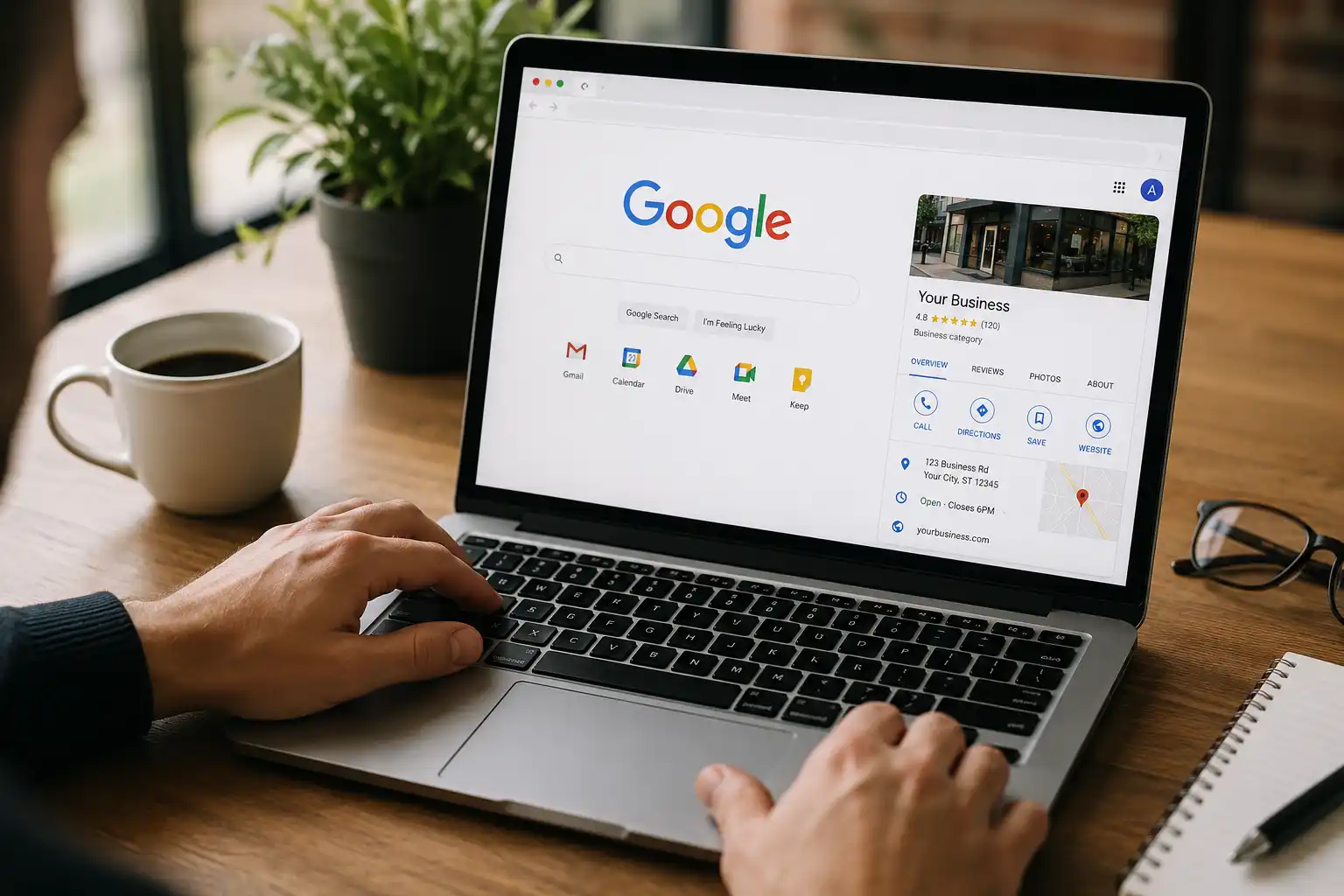

For years, Google has been the starting point for millions of online journeys. Whether people are searching for a local restaurant, a retail store, a plumber or a professional service, Search and Google Maps have become central to how customers discover businesses.
But Google’s products are not static. Search features evolve, Business Profile tools are updated, and new technologies such as AI-powered search experiences continue to reshape how information is presented. Some features are introduced, others are expanded, and occasionally existing tools are retired as Google refines its products.
These changes are a normal part of Google’s ongoing development. They also highlight an important reality for businesses: while Google can influence how customers discover a company, the business itself does not control Google’s platforms or product roadmap.
What businesses do control is their own website.
Unlike third-party platforms, a business website remains a company’s primary digital asset. It provides complete control over branding, content, customer experience, products, services, lead generation and long-term digital strategy. As Google’s search ecosystem continues to evolve, that level of ownership has become increasingly important.
Google’s ecosystem is constantly changing
Google updates its products throughout the year. Some changes are highly visible, such as new Search features or AI-powered experiences, while others happen quietly in the background through Google Business Profile, Maps or Search documentation.
In recent years, businesses have seen Google introduce AI-generated search experiences, expand Business Profile capabilities, adjust how local information is displayed, and retire certain communication features in favour of newer approaches. These updates reflect Google’s ongoing efforts to improve Search and Maps for users while adapting to changing technology and customer expectations.
For business owners, however, the lesson is broader than any single feature announcement.
Every update serves as a reminder that businesses operate within an ecosystem they do not own. The appearance of search results, available Business Profile features and customer interaction methods can all change over time as Google develops its products.
That is why a well-maintained business website continues to play a central role. Unlike third-party platforms, it remains under the direct control of the organisation, providing a consistent destination where customers can access accurate information, explore products or services, and complete actions such as making enquiries or purchases.
Rather than replacing websites, Google’s products continue to work alongside them. Search helps people discover businesses, while business websites provide the detailed information and customer experience that organisations control themselves.